Cas Wonsowicz has stood in front of a lot of impressive things. In a career spanning decades at some of the world's largest technology companies, including Unisys, Alcoa, and Intel, he navigated the kind of high-stakes environments where you are expected to be decisive, informed, and always moving forward. He was good at it. He was also, by his own cheerful admission, occasionally terrible at finding the right train.
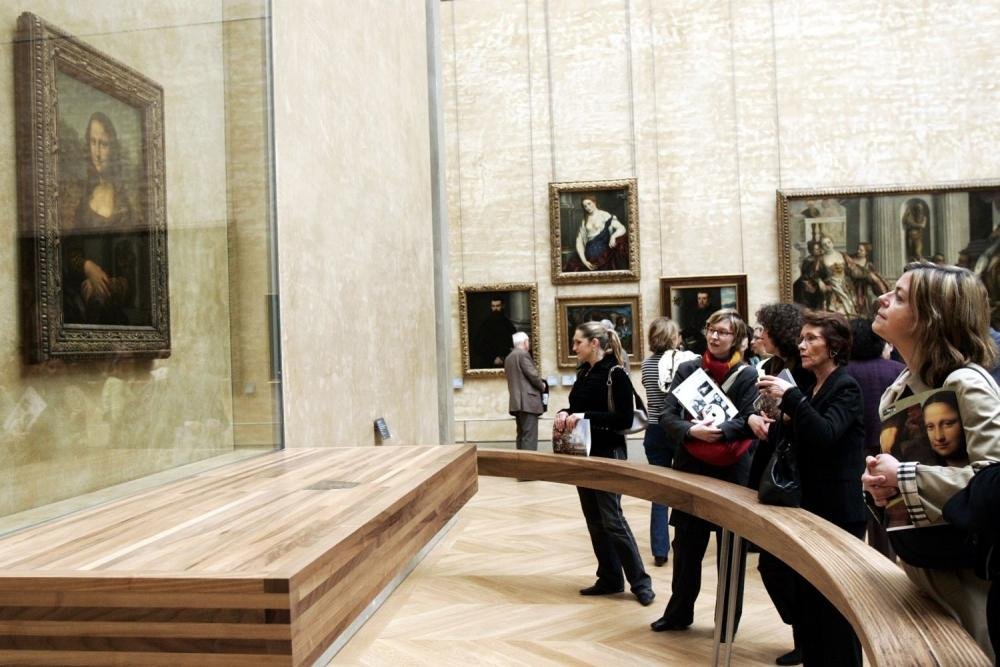
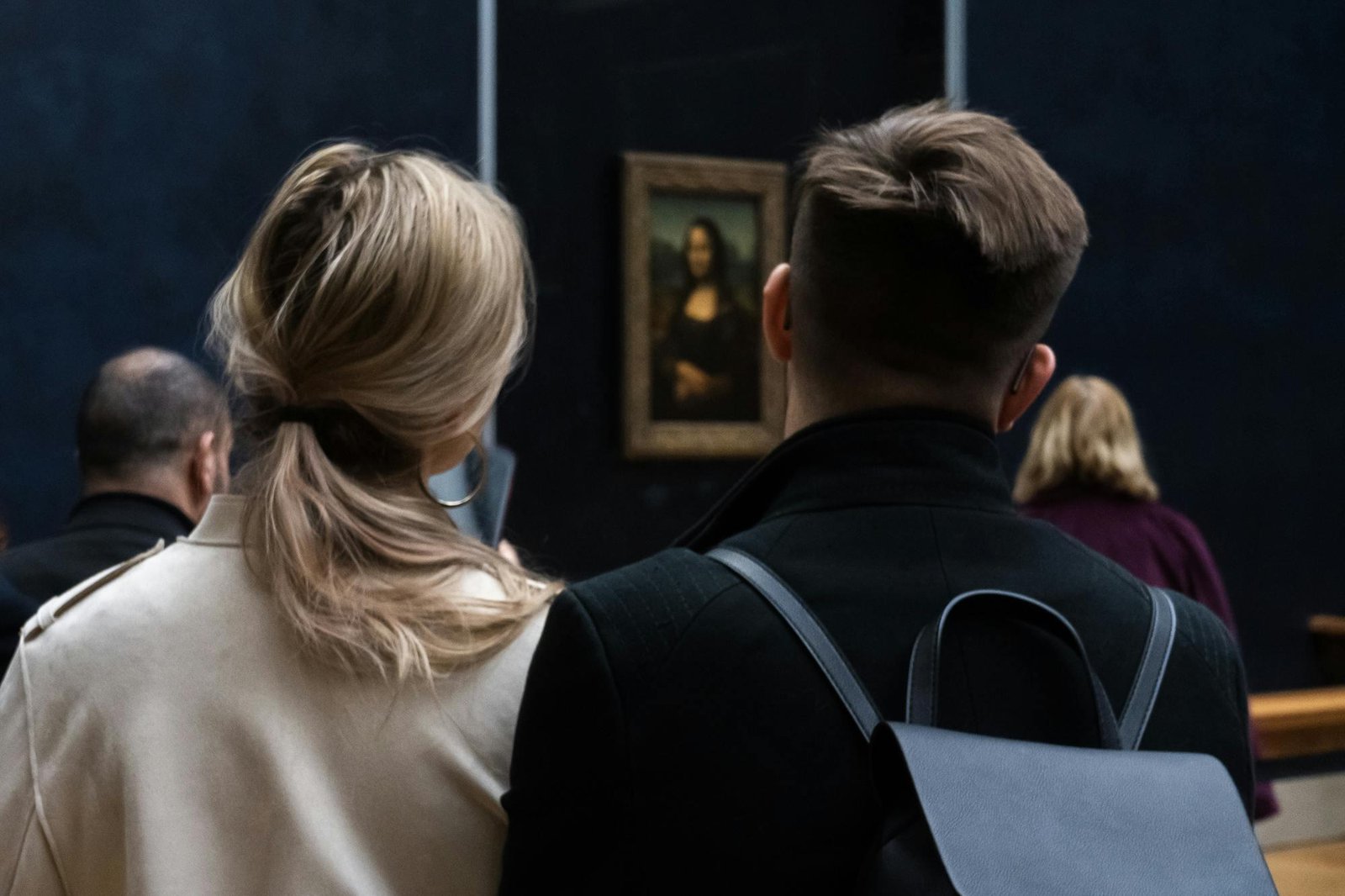
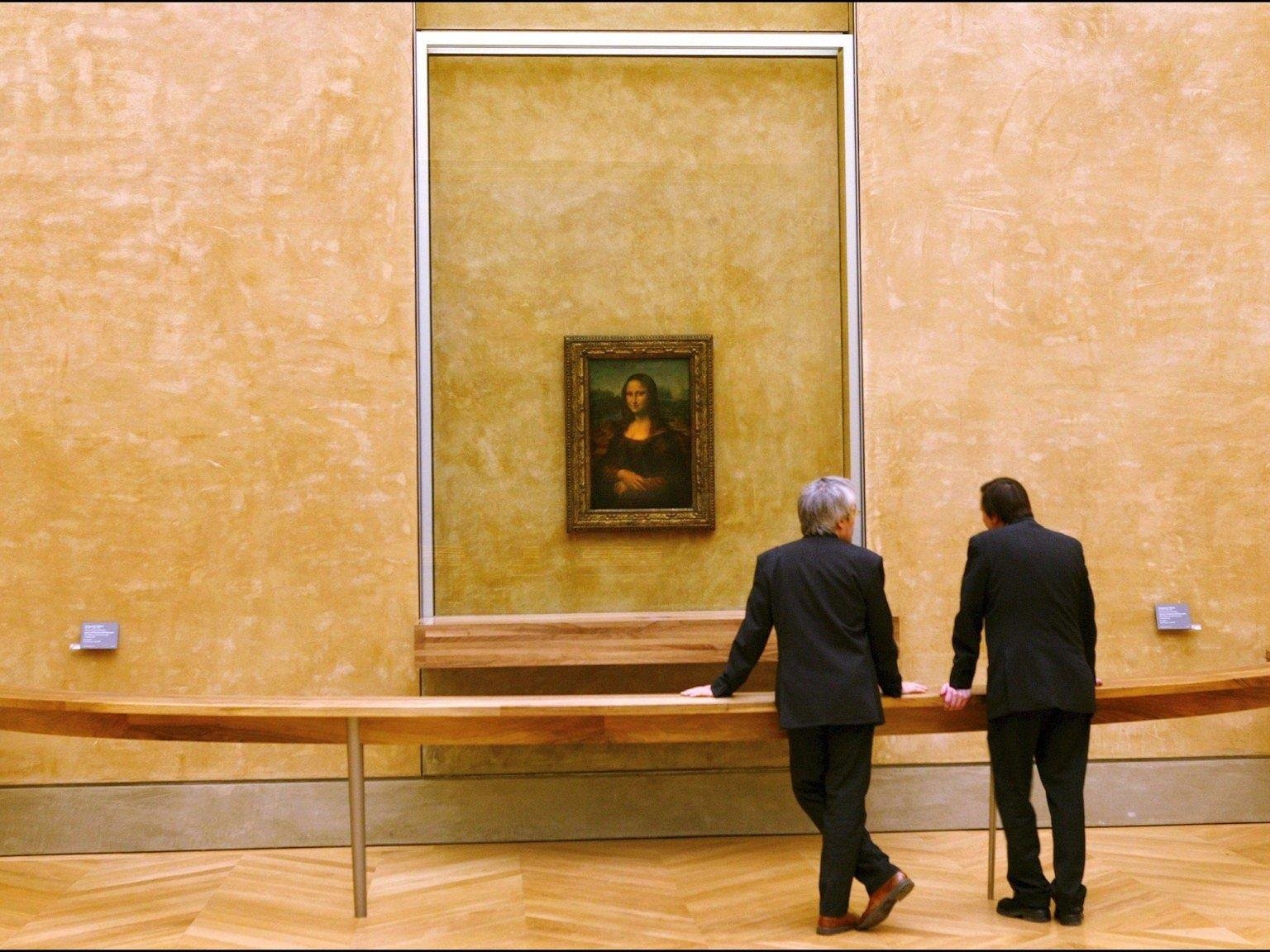
But it was not a boardroom that changed how Cas Wonsowicz understood the world. It was Room 711 of the Louvre Museum, where the Mona Lisa hangs behind a barrier, smaller than everyone expects, surrounded by a crowd that feels the quiet pull of something they cannot quite name. Cas stood there with his wife Adry and felt time pause. And then, instead of looking at the painting, he turned and looked at her.
"Standing there together, in that space, felt just as meaningful as the painting itself," he writes in his debut book, Learning Paris: Discoveries Along the Seine. "There was a quiet joy in it, a sense of arrival, of sharing something we had only imagined before this visit." That is the book in miniature: not the famous moment, but the human one that lives inside it.
Learning Paris is the first volume in Cas's Learning Series, a collection designed to take readers through the world's great places not as tourists but as active, curious, genuinely engaged learners. The Paris volume covers six days in the city, but it is not a day-by-day itinerary. It is a record of what happens when someone who has spent decades traveling the world decides, for the first time, to really pay attention.
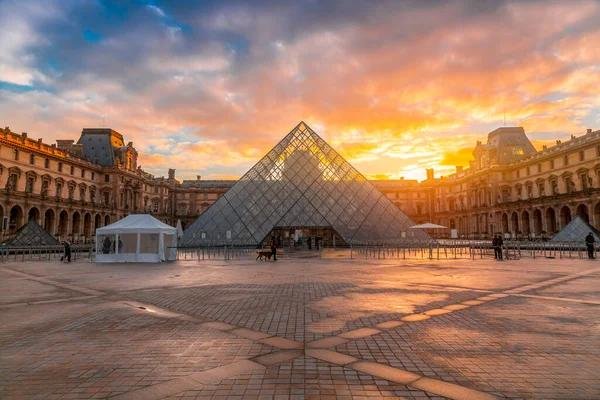
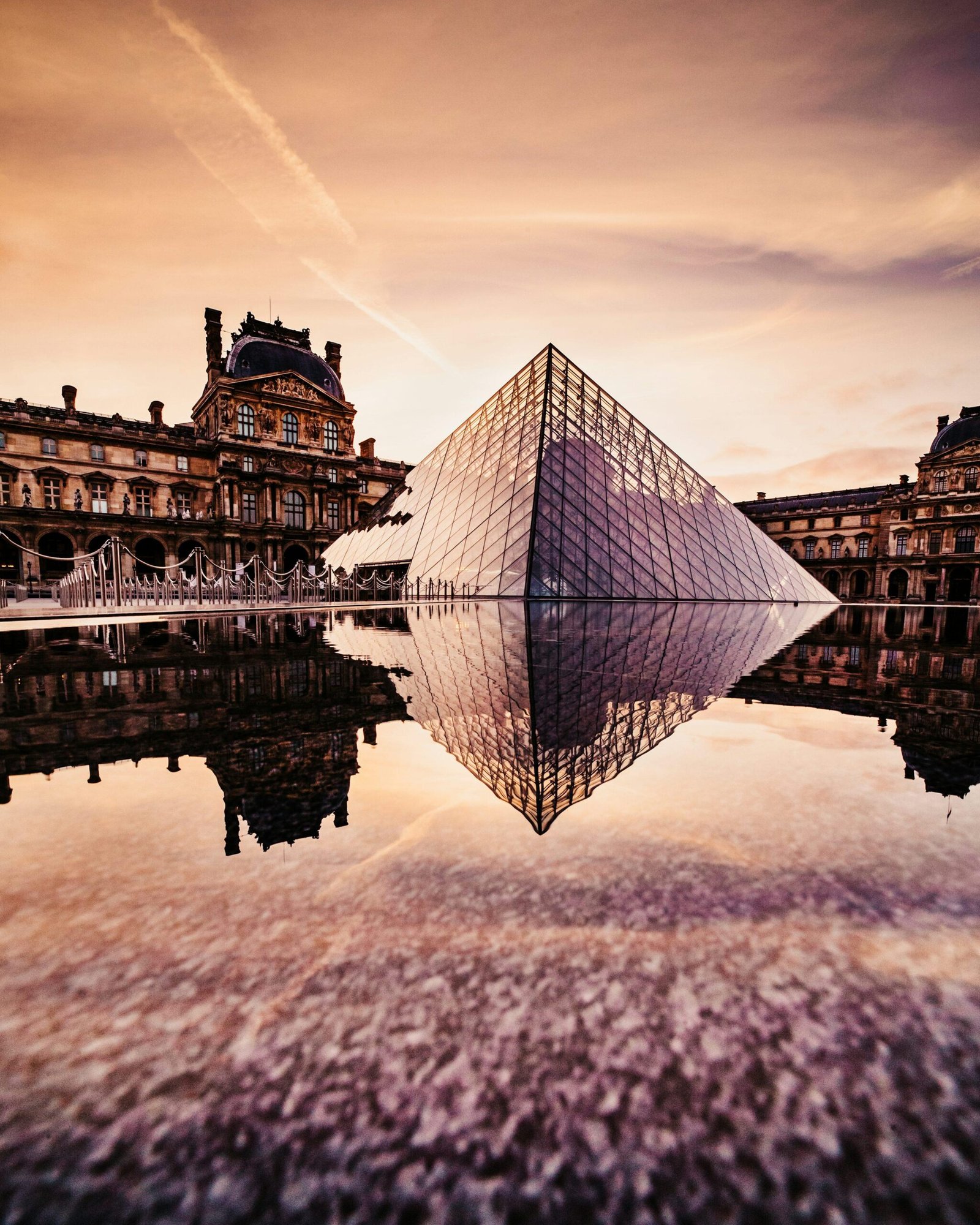
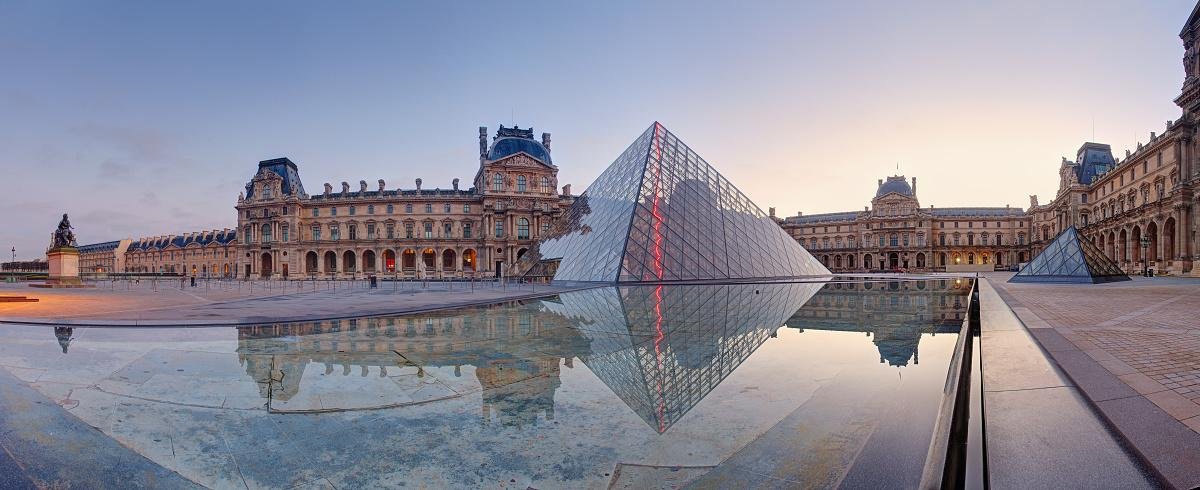
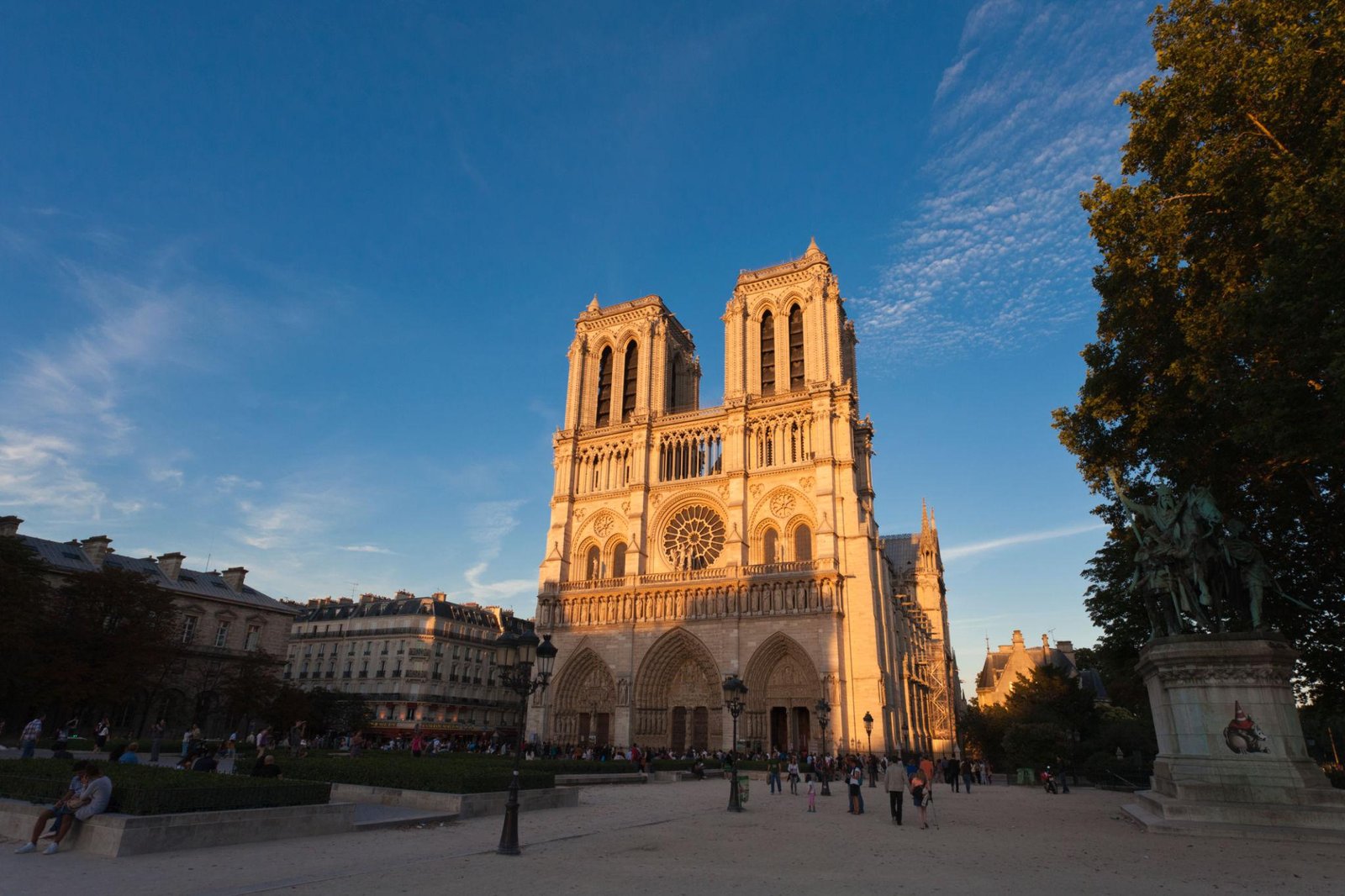
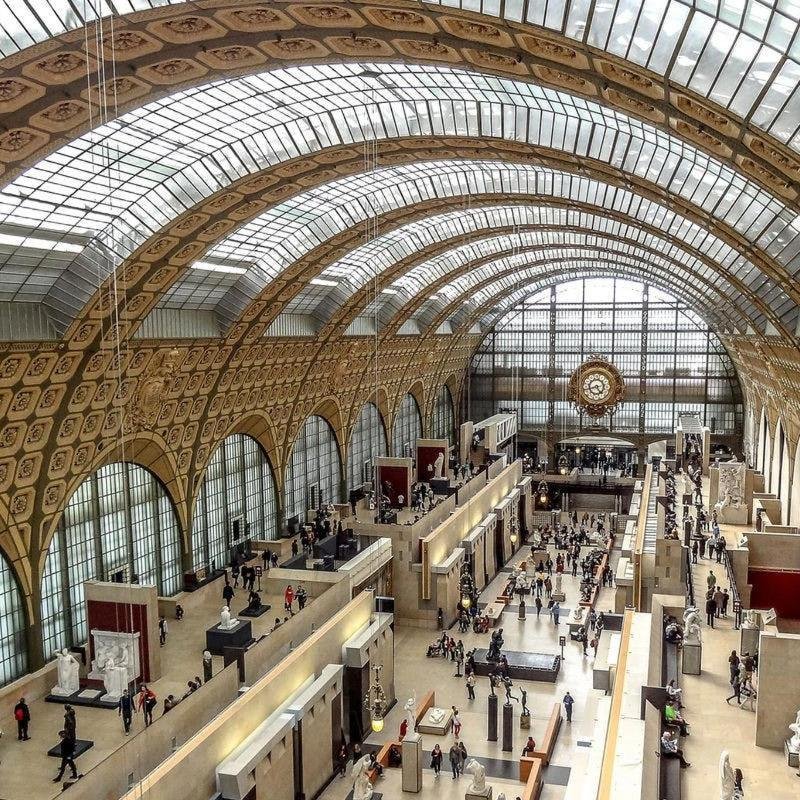
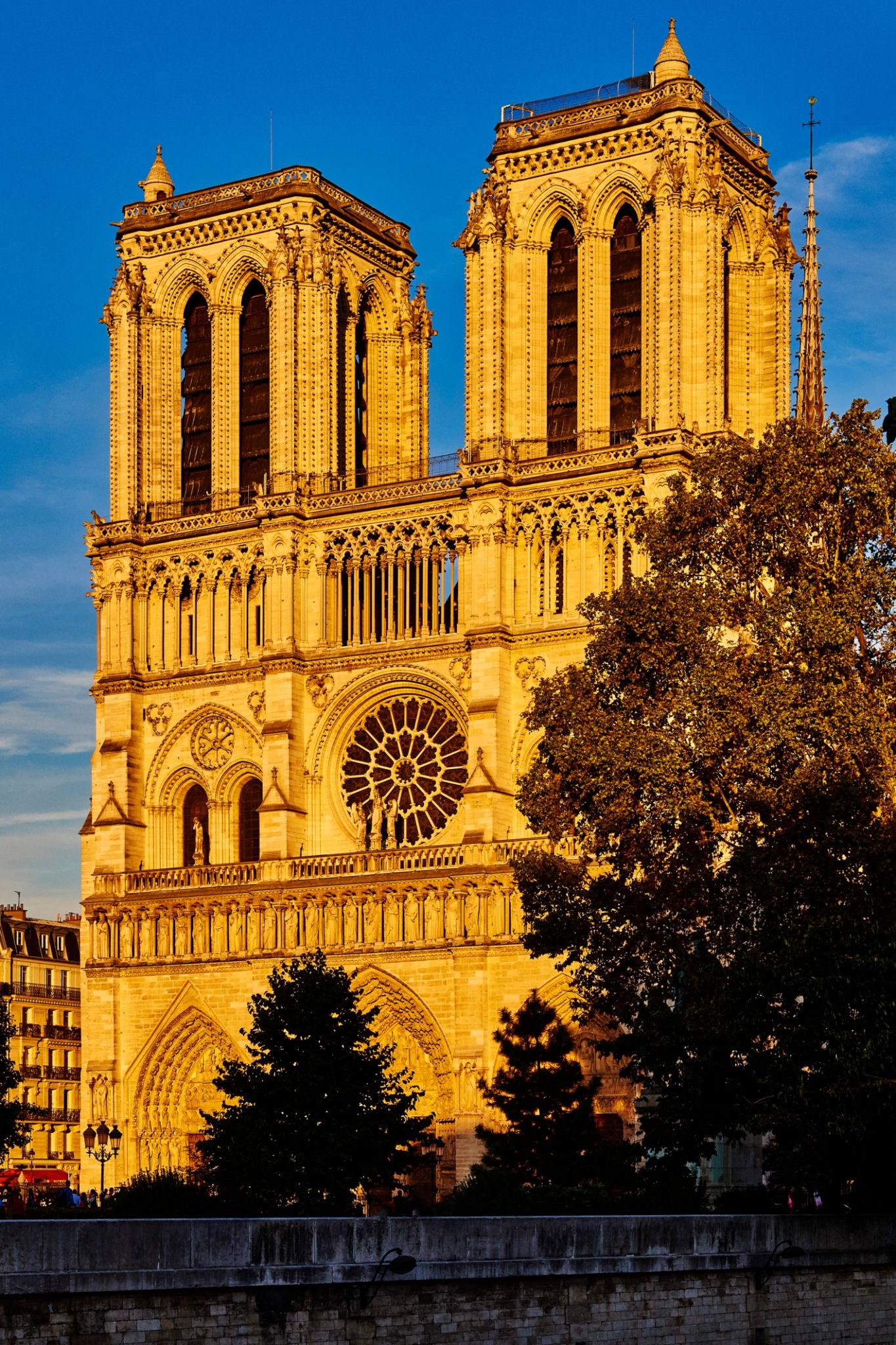
The book takes you inside the Louvre for an afternoon that stretches time itself, through the medieval tapestry rooms of the Musée de Cluny, up 424 spiral steps to the top of Notre-Dame, along the tree-lined Left Bank streets of Saint-Germain-des-Prés, into the Musée d'Orsay's extraordinary Renoir exhibition, through the galleries of the Musée Picasso, and all the way to the prehistoric cave paintings at Lascaux, where Cas draws a stunning, unexpected line between humanity's oldest art and the masterpieces he encountered in Paris. Every chapter connects what you see to why it matters, and every moment of confusion or fatigue or laughter is included, because Cas believes those are the moments that actually teach you something.
Because he had to.
That might sound like an overstatement, but read the book and you will understand it. Cas arrived in Paris as a traveler who had seen a great deal of the world. He left as something he had not expected: a writer with something urgent to say. The experience of moving through those six days with Adry, of letting the city slow him down and teach him to see rather than simply look, produced a kind of clarity he had not encountered in years of professional life.
He joined the Astoria Writers Guild and attended a workshop led by Ellen Waterston, Oregon's Poet Laureate, whose encouragement pushed him to transform his Paris notes into something publishable. His work was recognized by Northwest Passages Literary Journal at Western Oregon University, which published his writing in both the Winter 2025 and Spring 2026 editions. And through it all, he had Adry beside him, his steadfast companion and most honest critic, the person without whom, as he writes plainly in the dedication, none of it would exist.
The book that emerged is part memoir, part art history primer, part love letter to a city that refuses to reveal itself to anyone in too much of a hurry.
You will learn things. That is not a small promise for a travel memoir, but Cas earns it. By the time you finish the chapter on the Louvre, you will understand why Géricault's Raft of the Medusa hits the body like grief rather than mere spectacle. You will know why Vermeer's tiny Lacemaker, which you might walk straight past, is one of the most profound paintings in the building. You will feel the difference between Delacroix and Ingres not as an art history lesson but as a physical experience, two ways of seeing the world hanging steps apart on the same wall.
But more than any of that, you will come away wanting to slow down. You will want to sit a little longer at the café. You will want to circle back through the gallery one more time. You will want to wander down the street that looks like it leads nowhere in particular, because this book will have taught you that those are exactly the streets worth taking.
Cas Wonsowicz did not write a book about Paris. He wrote a book about what Paris does to a person willing to let it. And that is a far richer, far more lasting thing.
Learning Paris: Discoveries Along the Seine is available now. Whether you are planning a trip to Paris, dreaming of one, or simply searching for a book that will change the way you look at art, travel, and the world around you, this is the book. Cas will meet you on the banks of the Seine and walk you through everything.