Most travel memoirs about Paris end at a café. Or on a bridge over the Seine. Or with the author gazing at the Eiffel Tower as dusk settles over the city and everything becomes suitably golden. These are fine endings. Paris earns them.
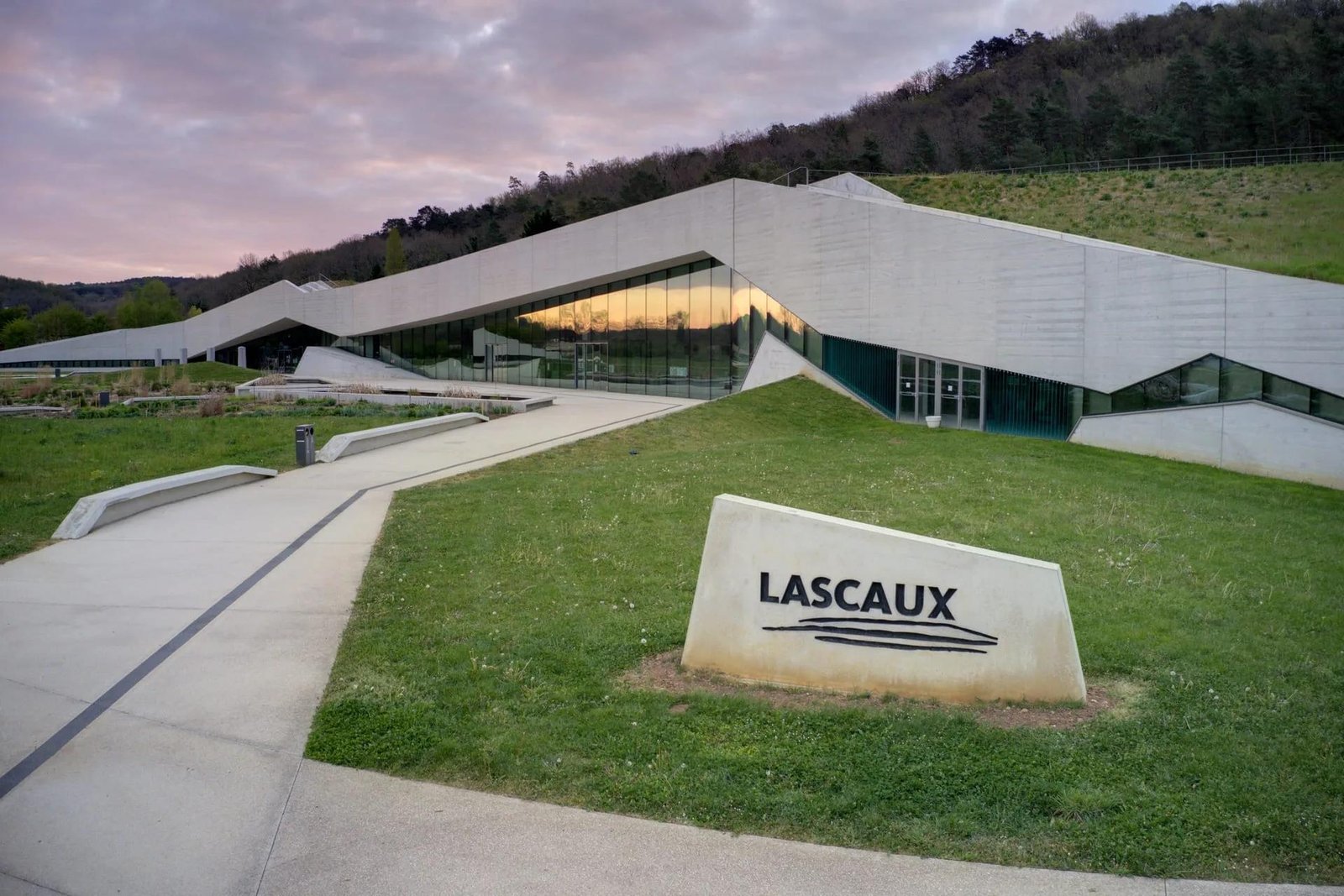
But Learning Paris: Discoveries Along the Seine ends somewhere else entirely. It ends seventeen thousand years ago, in the darkness of a cave in southwestern France, where a group of anonymous artists crouched by lamplight and painted horses on stone walls with a skill and intentionality that still confounds the modern eye.
The chapter on Lascaux is the one that readers are not expecting. And it is the one they seem to remember most.
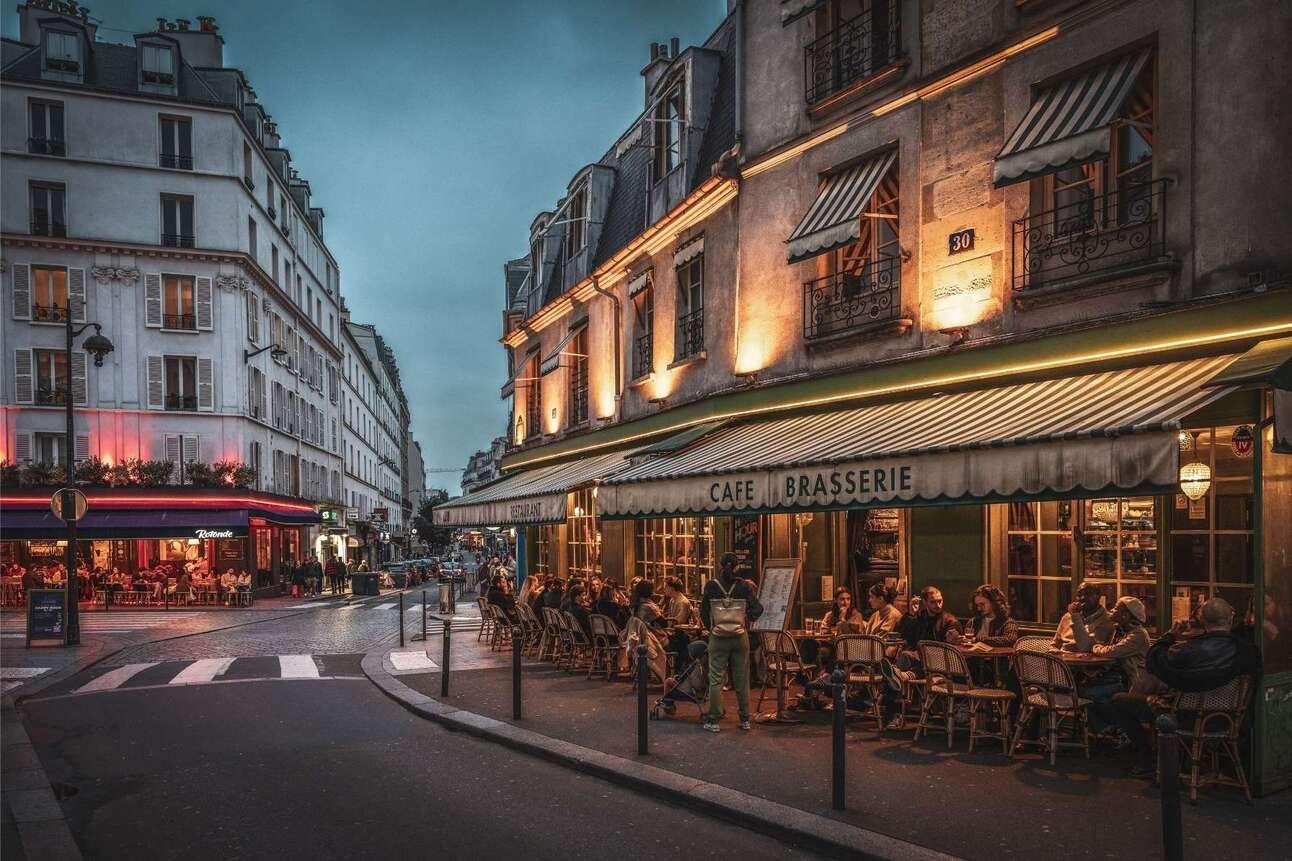
The question is fair, and Cas Wonsowicz asks it himself at the beginning of the chapter. The answer, once you have read it, feels not only logical but inevitable.
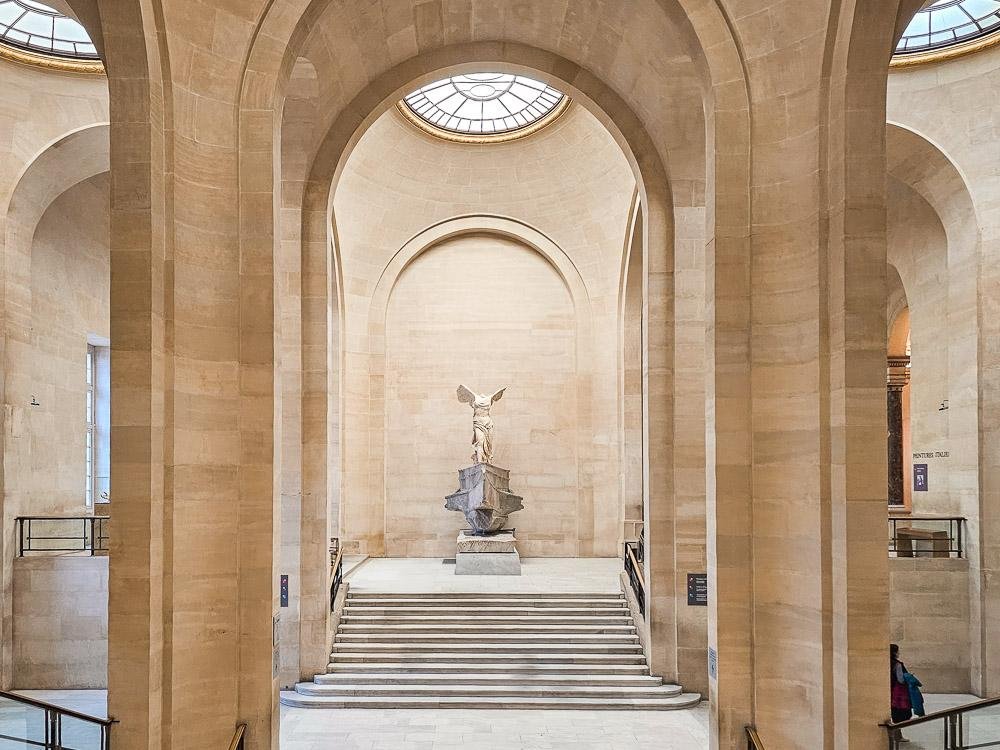
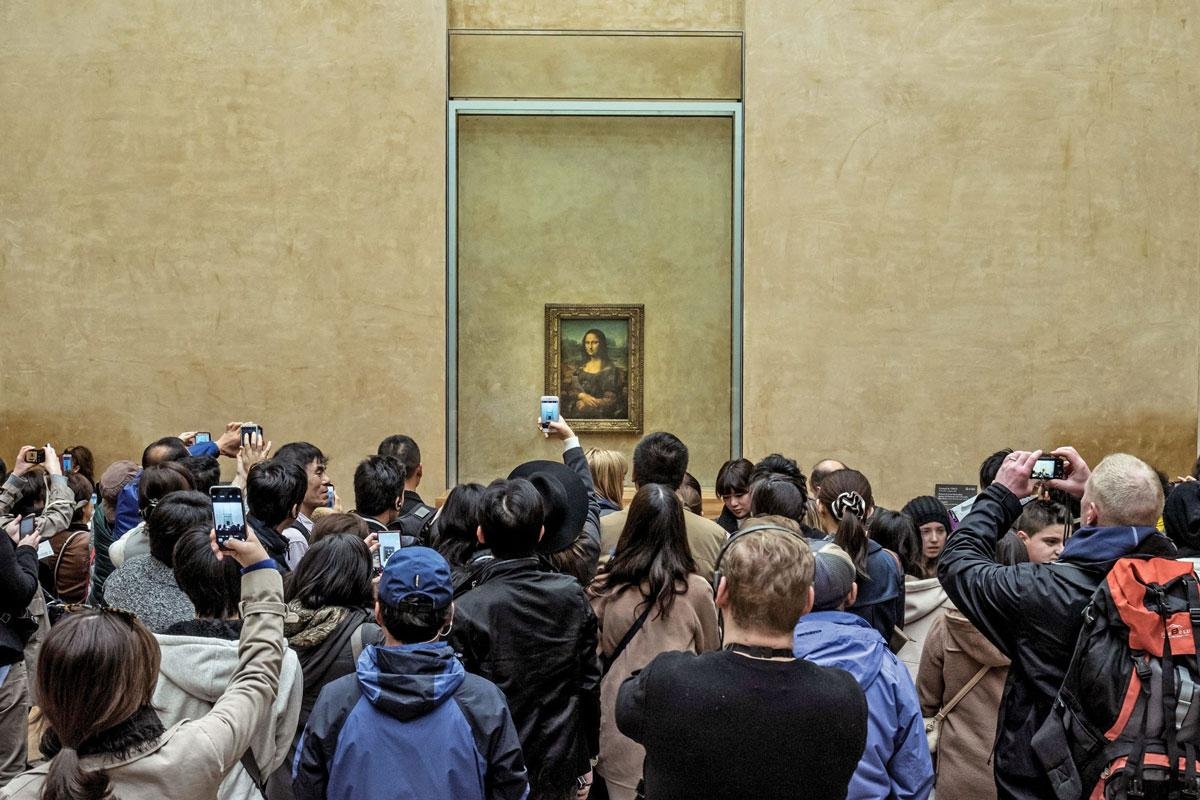
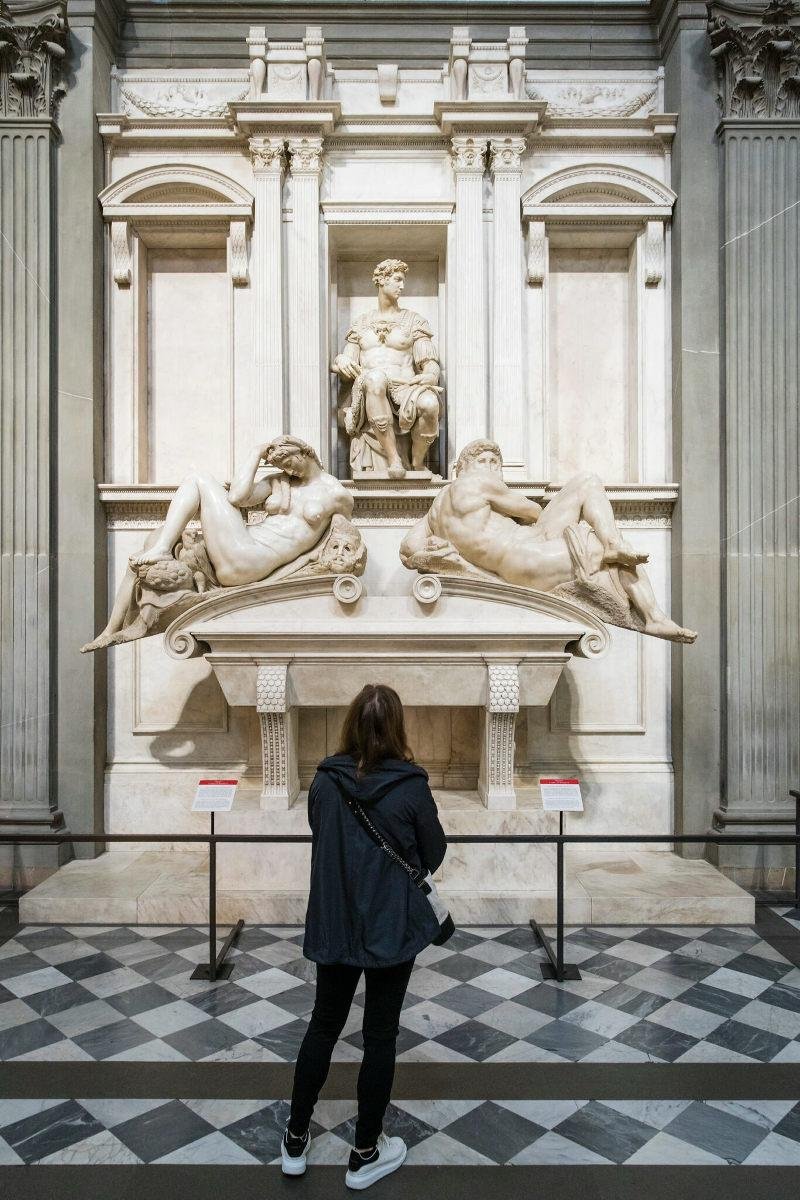
Throughout the six days chronicled in the book, Cas moves through gallery after gallery, encountering some of the most celebrated art in human history. The Winged Victory of Samothrace. The Mona Lisa. Michelangelo’s slaves caught between surrender and resistance. Renoir’s sunlit world of shared leisure. Picasso dismantling and reassembling the human face. By the time the Paris days are over, a quiet question has accumulated: where did all of this begin? Not in the Renaissance. Not in ancient Greece. Where, in the deepest sense, did the human impulse to make art actually start?
The chapter on Lascaux is the answer. And it is a genuinely astonishing one.
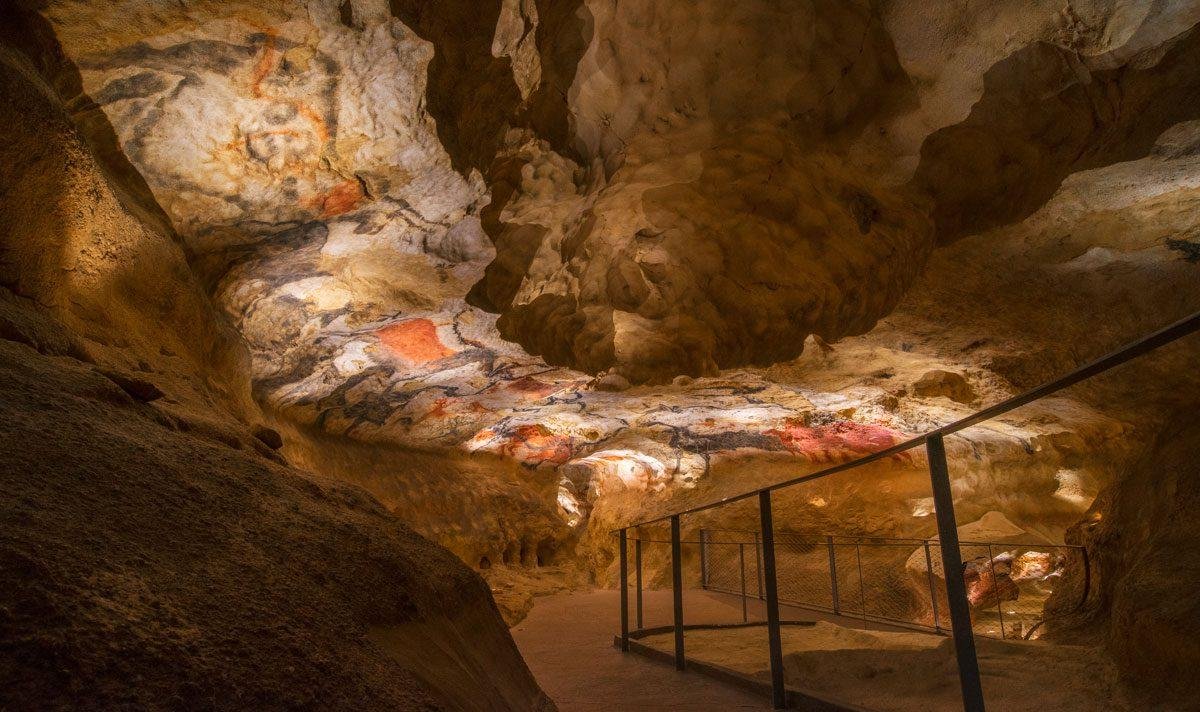
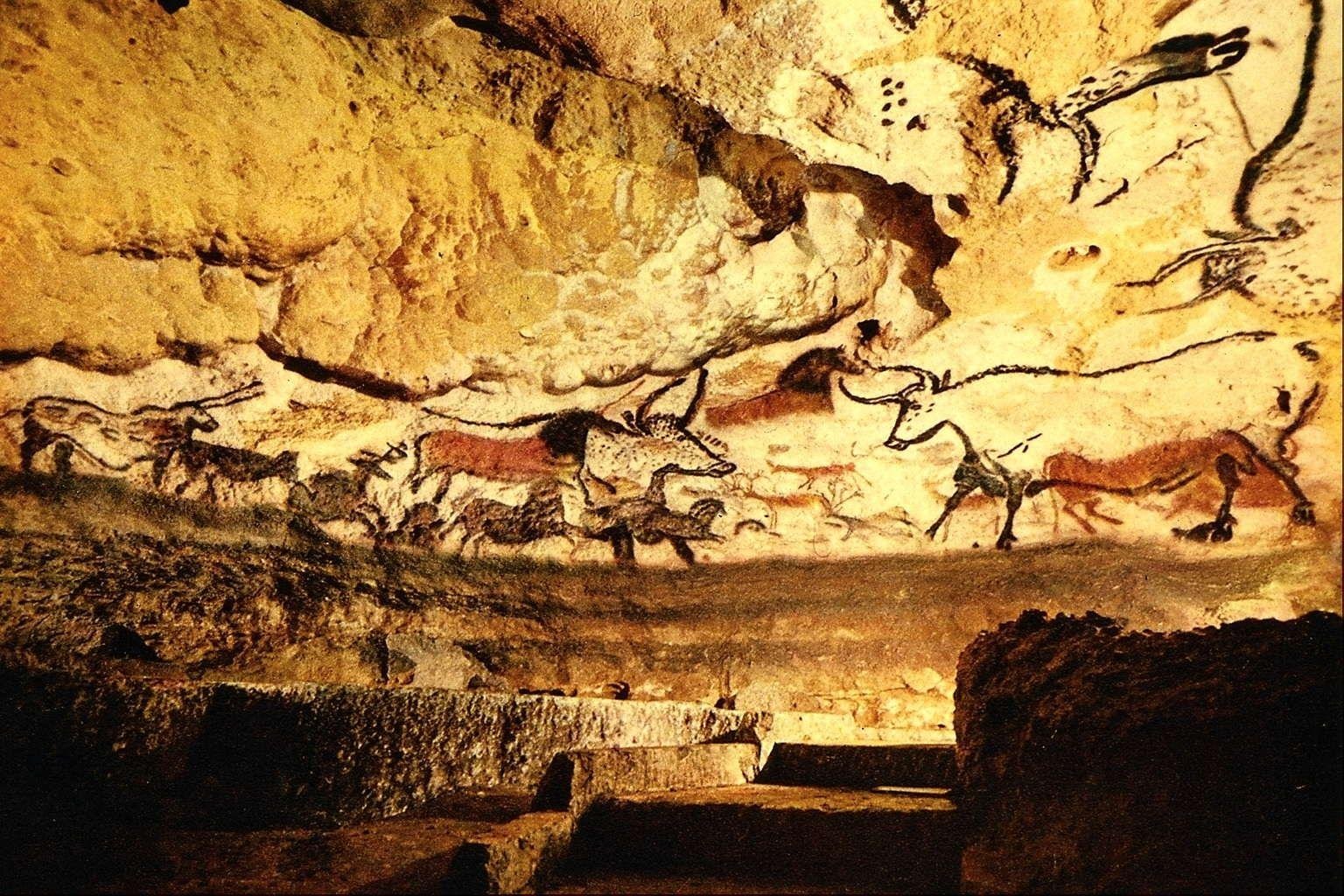
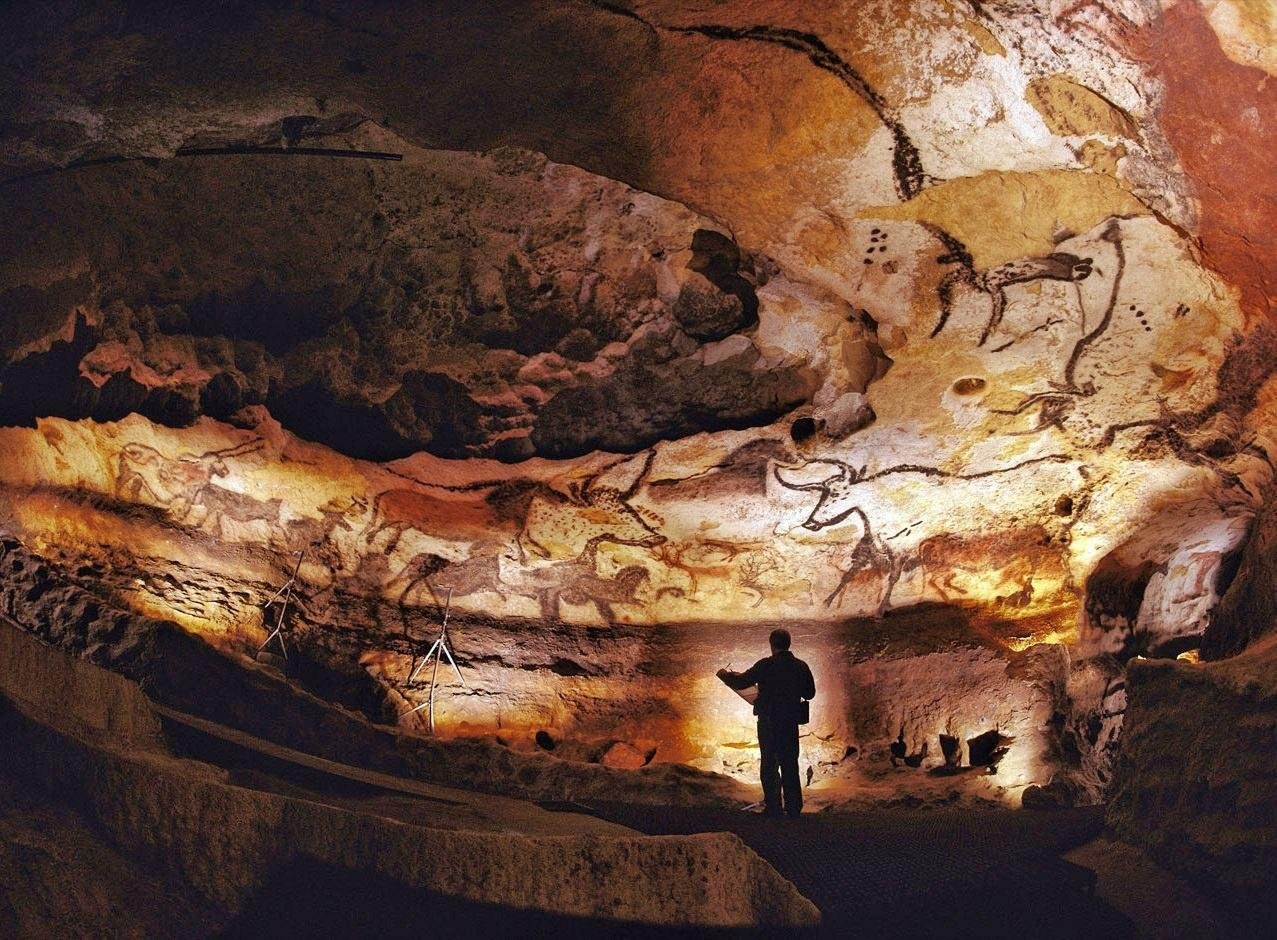
The cave was discovered in 1940 by four teenagers in southwestern France who followed their dog into a narrow opening in the ground. What they found inside shattered every assumption about the sophistication of our prehistoric ancestors. The walls were covered not with crude scratches but with dynamic compositions of horses, bulls, and deer rendered with a visual intelligence that, Cas argues, any art historian would recognize as intentional, structured, and deeply considered.
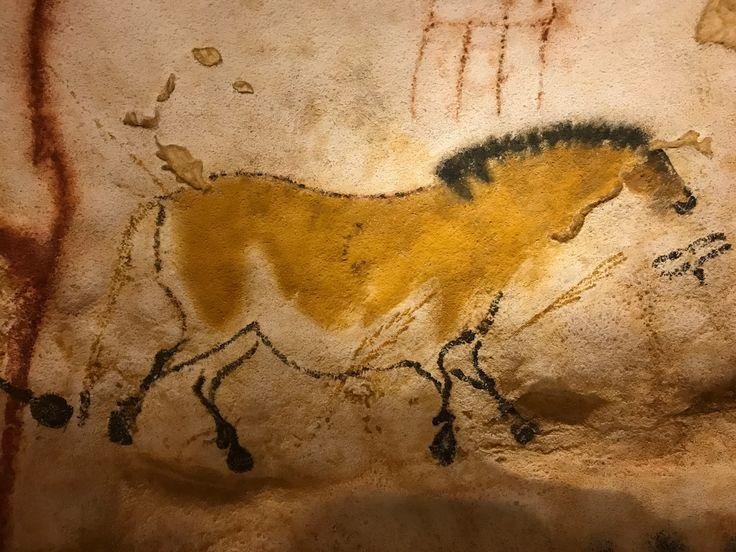
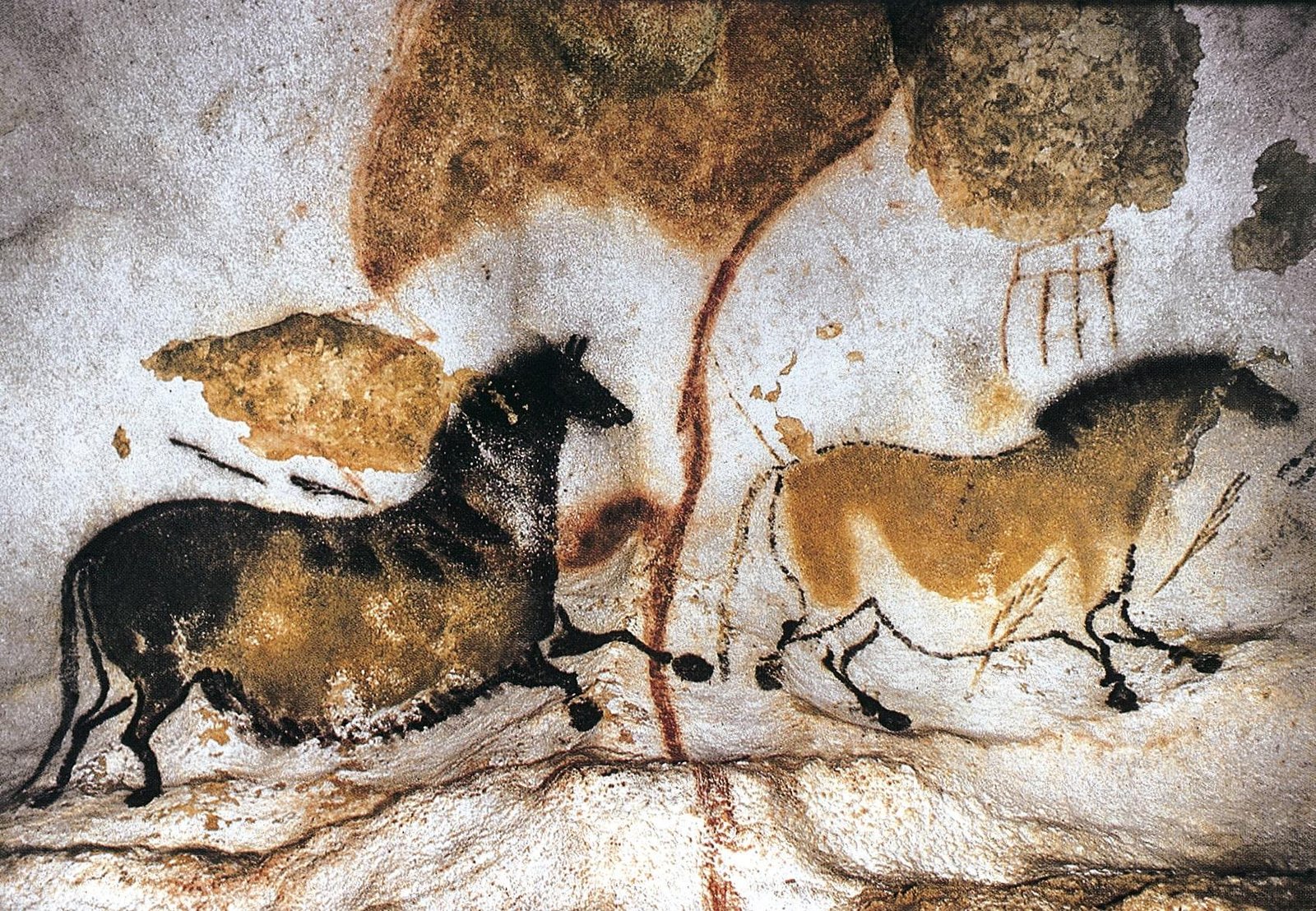
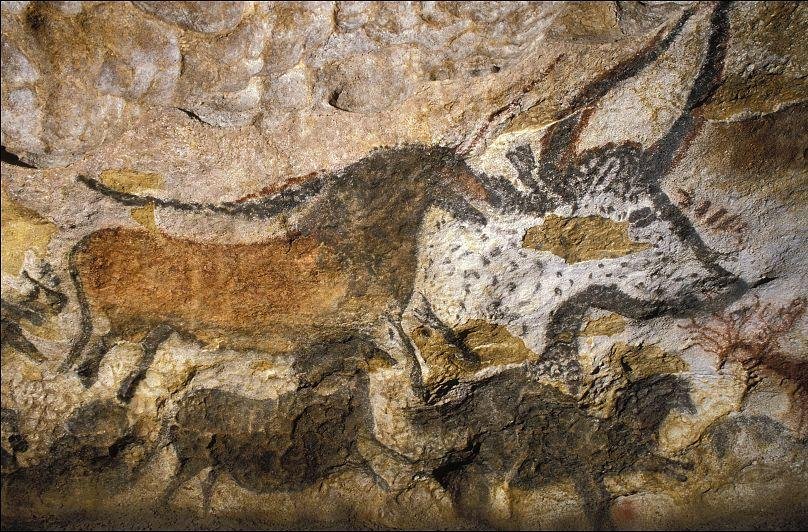
The Lascaux chapter is where Cas draws on his art history studies most directly. The horses in the famous Chinese Horses panel are arranged to create visual rhythm, their repeated curves guiding the viewer’s eye across the surface in a deliberate sequence. The artists used negative space as intentionally as they used pigment. Certain contours are drawn darker and more pronounced, functioning as focal points. The figures are not strictly naturalistic: proportions are selectively adjusted, a mark not of limited ability but of interpretive intent.
There is also a detail Cas finds particularly striking. Archaeological evidence suggests that reindeer, not horses, were the primary food source for the people who created these paintings. So why do horses dominate the imagery? The answer points somewhere beyond utility, toward symbolism, ritual, and story. These artists were not recording a grocery list. They were making meaning.
"These anonymous artists were not simply recording the world around them," Cas writes. "They were organizing it, reflecting upon it, and giving form to experiences that mattered to them. In doing so, they remind us that artistic curiosity, creativity, and the desire to understand our place in the world have always been part of what makes us human."
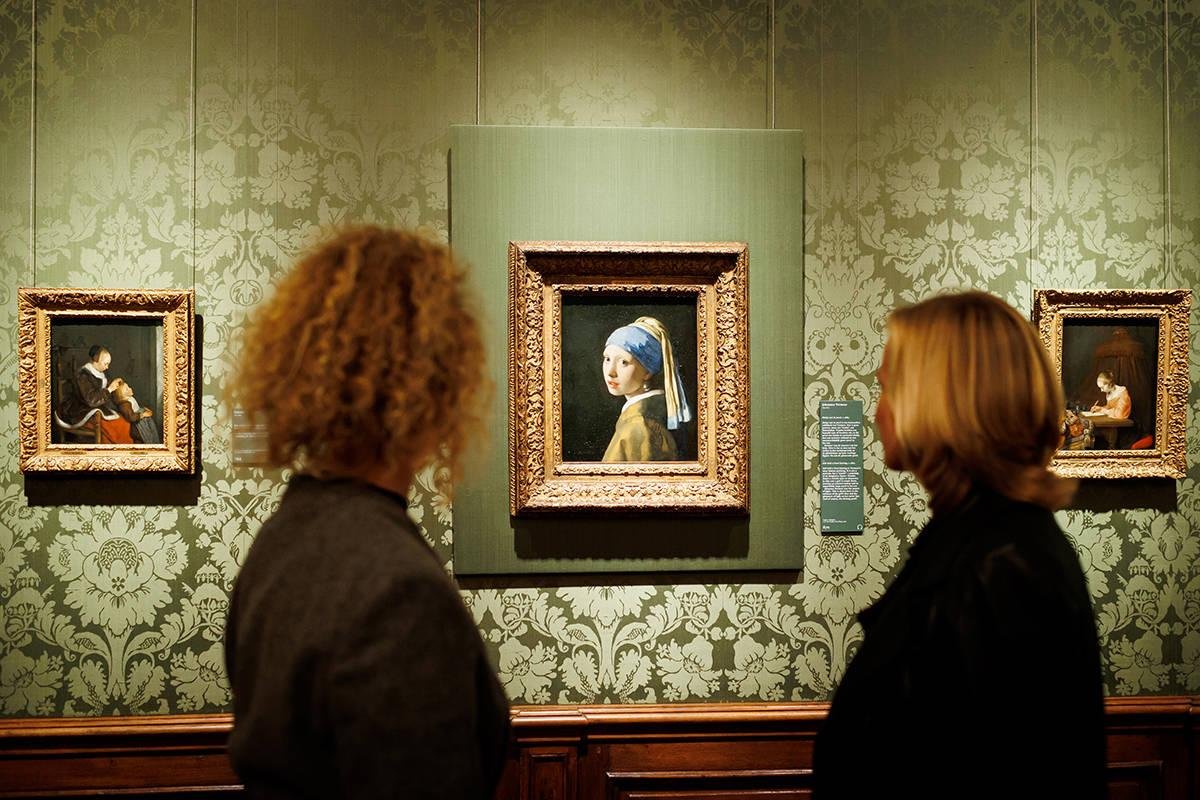
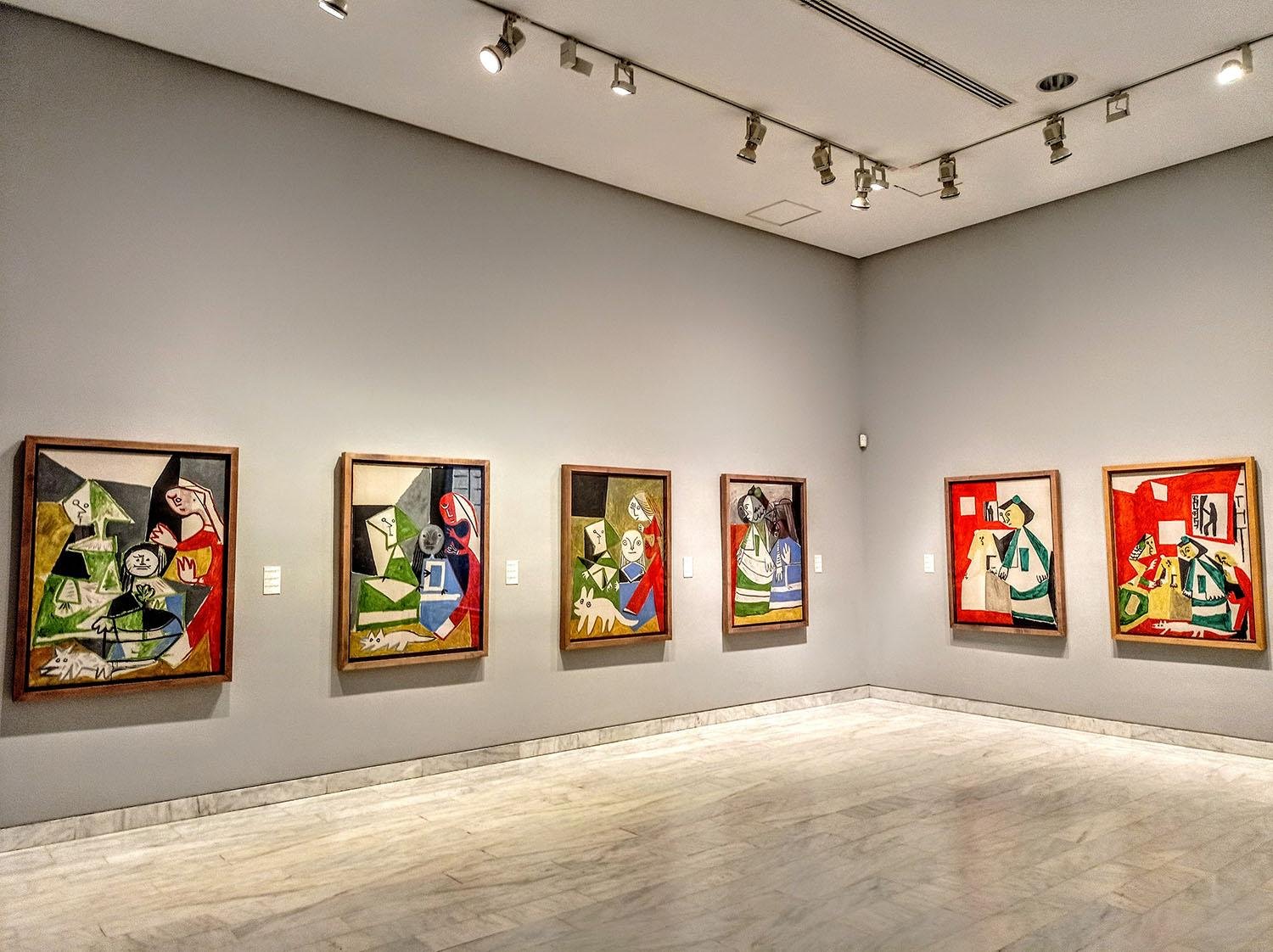
What the Lascaux chapter does, structurally, is remarkable. Once you have read it, you find yourself looking back at everything that came before it differently. The Winged Victory pressing forward into marble wind. The Lacemaker bending over her threads in Vermeer’s quiet light. Picasso fracturing the human face until it becomes something more honest than a photograph. Michelangelo’s figures caught between surrender and resistance, half-emerged from the stone. All of these works, separated by centuries and revolutions in human thought, are suddenly revealed as part of the same conversation that started by lamplight in a cave.
By ending at Lascaux, Cas does something that very few travel writers attempt. He transforms a personal memoir into a meditation on the full arc of human creativity. He earns the bigger claim that his Paris week is not simply a pleasant trip but a chapter in a story that has been unfolding for seventeen thousand years.
"If there is one hope I have for this book," Cas writes in the book’s closing pages, "it is that you will leave its pages not simply wanting to visit Paris, but wanting to see the world more thoughtfully." He means this. The Lascaux chapter is the proof of it.
This is a book about Paris, yes. But it is also a book about why art exists at all. Why human beings have always felt the need to stand before something and look at it carefully, to make images and leave them for others to find, to reach across the centuries and say: this is what I saw, and this is what it felt like to be alive and paying attention.
That is not a question Paris invented. Paris simply has more beautiful places to think about it than almost anywhere else on earth. And Cas Wonsowicz, former technology executive, lifelong traveler, and first-time author, has written the book that connects it all.
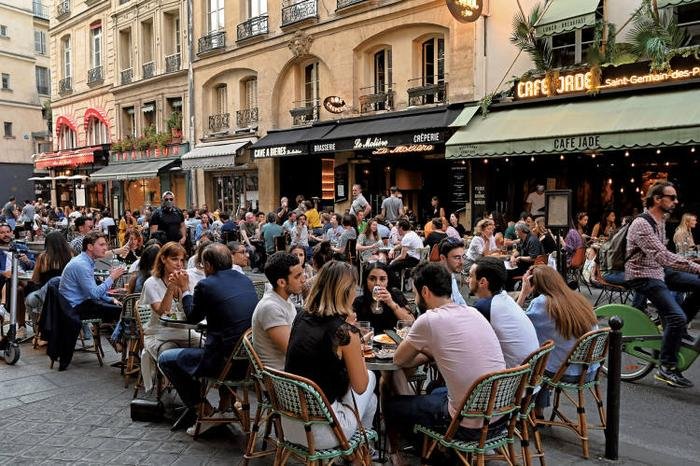
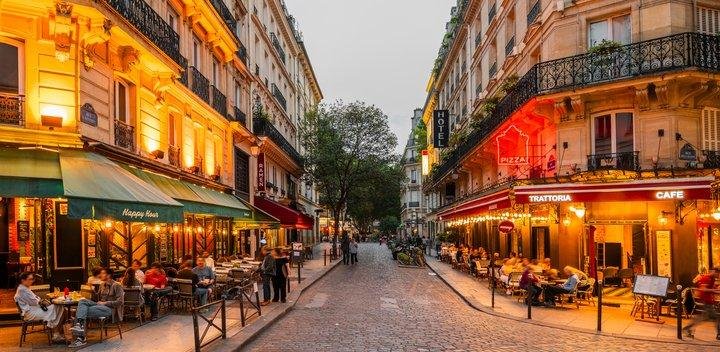
Whether you are a lover of art history, a devoted traveler, a curious reader who has never set foot in Paris, or someone who has visited Paris a dozen times and always felt there was something more to find, Learning Paris: Discoveries Along the Seine is the book that fills that space. It begins with a fountain in Saint-Germain-des-Prés and ends with a cave painting that is seventeen thousand years old. Everything in between will change the way you see.
Learning Paris: Discoveries Along the Seine is available now. Pick up a copy and let Cas take you from the banks of the Seine all the way to the origins of art itself.