
We Walked Into the Musée d’Orsay. We Walked Out With Paris Inside Us.
By Cas Wonsowicz | Author of Learning Paris: Discoveries Along the Seine
The Museum Started Before We Reached the Door
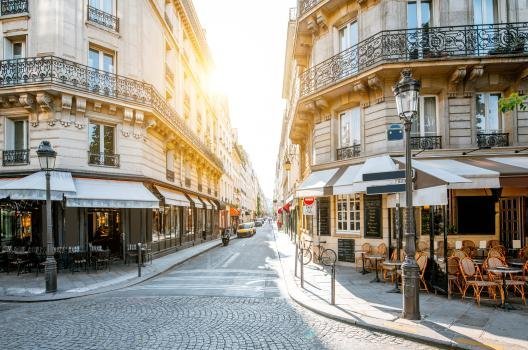
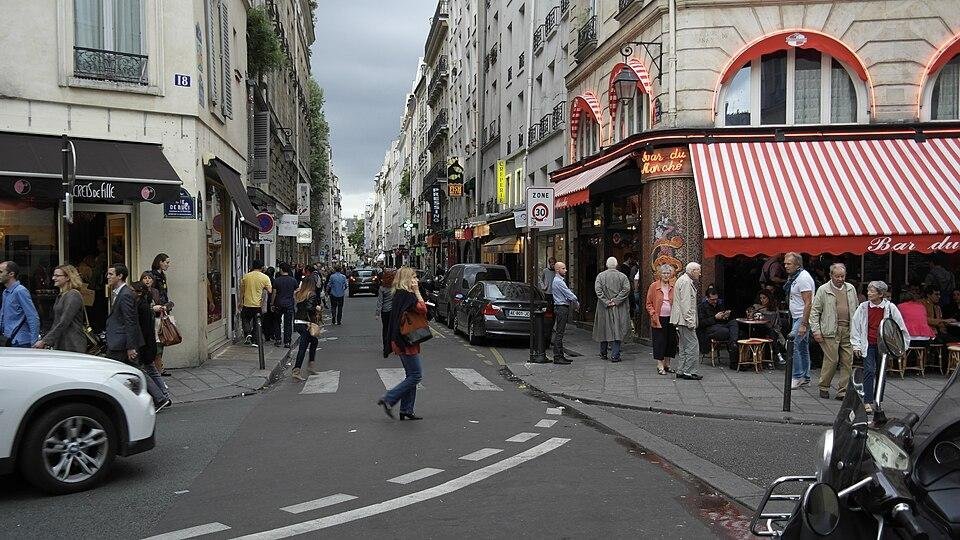
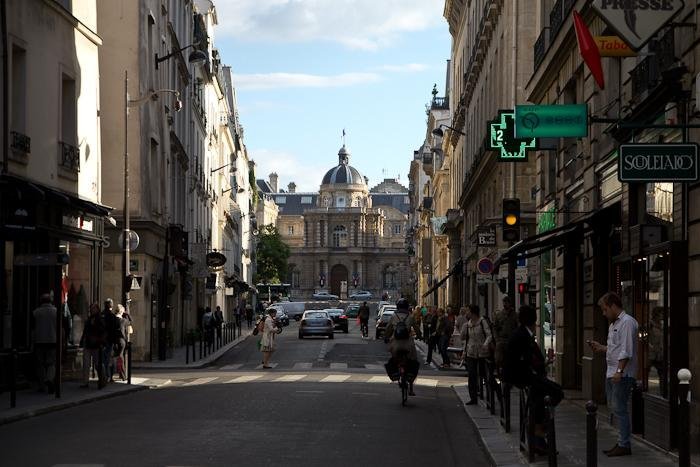
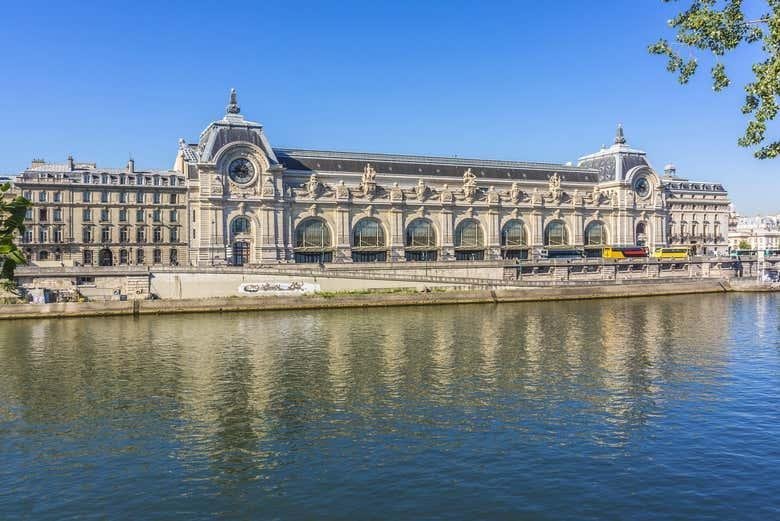
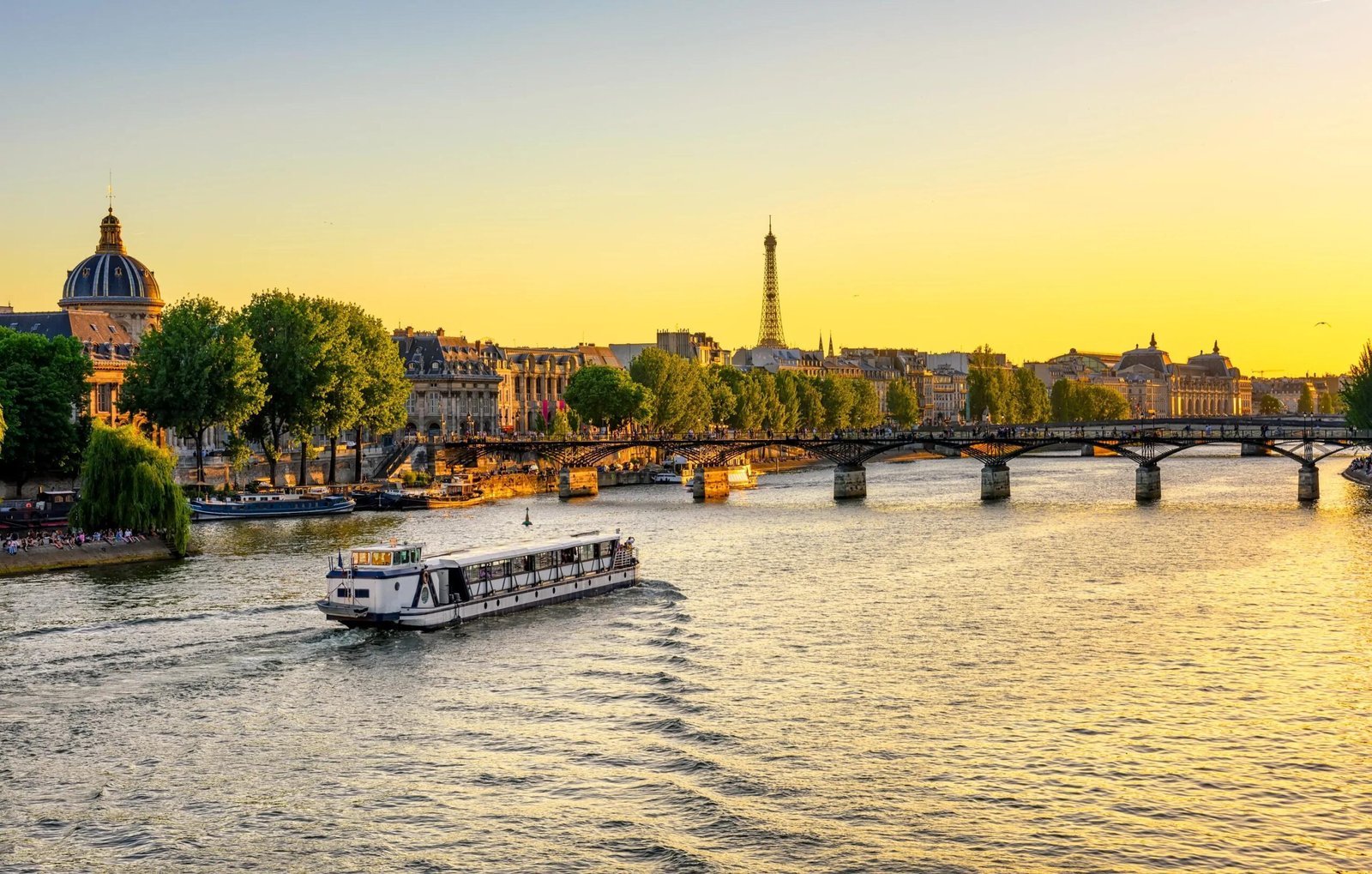
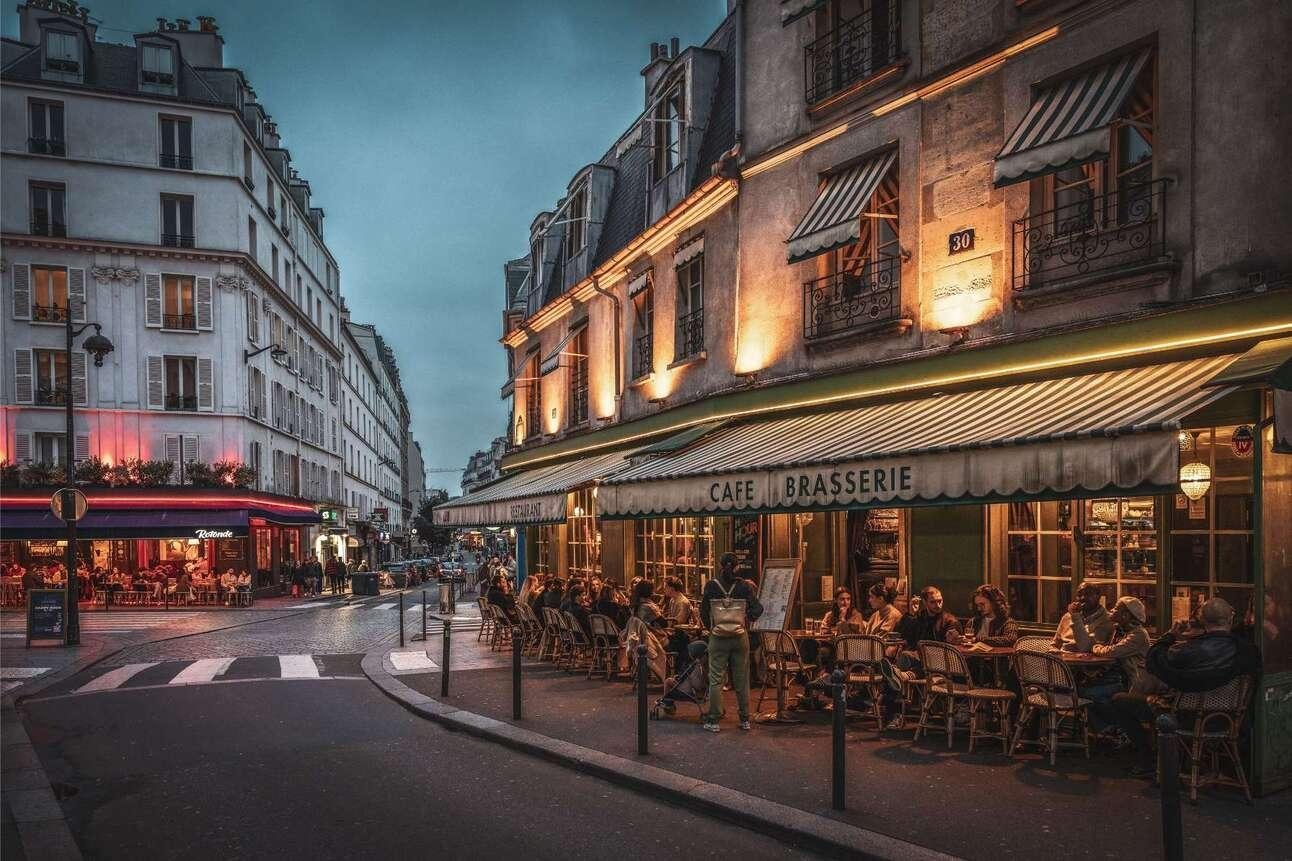
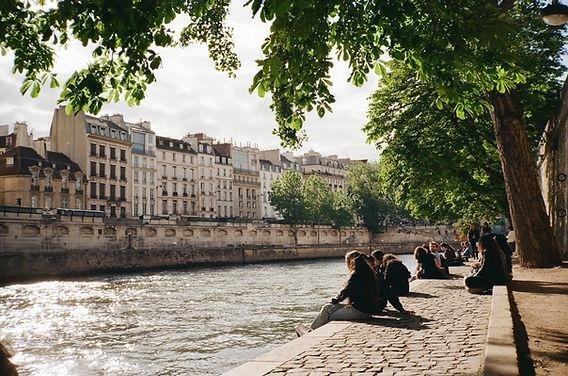
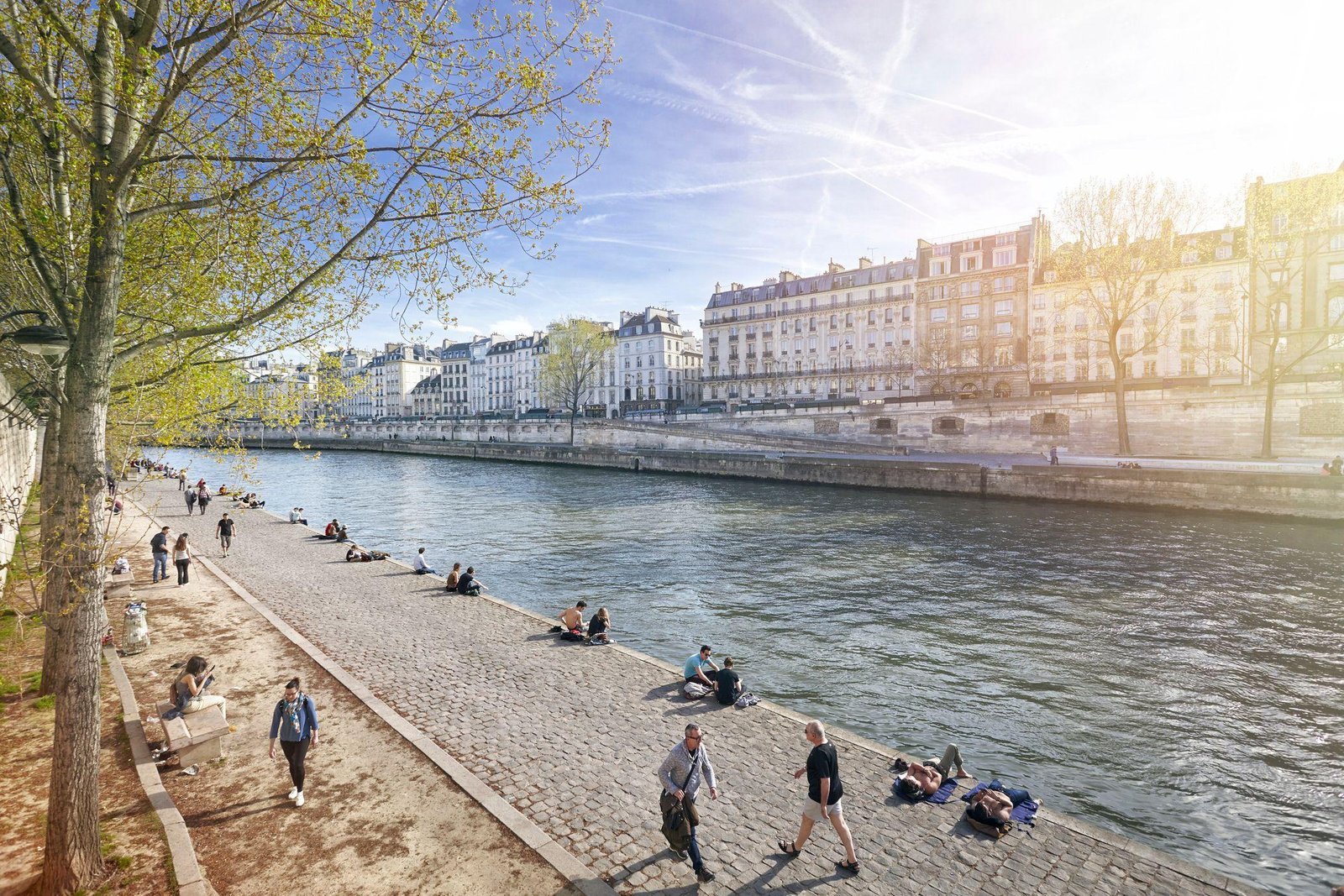
On the fourth morning of our Paris visit, Adry and I set out from Hôtel Récamier with no particular urgency and a general sense of direction. We turned left near the Sorbonne, followed the curve of Rue Mabillon, paused at Secco for cappuccinos and warm pastries, and let the streets carry us onward toward the Seine. By the time the Musée d'Orsay came into view, we'd already passed through the kind of Paris most visitors never find: the cheese shops, the ivy-covered walls of Rue Jacob, the bookshops on Rue de Seine, the unhurried rhythm of a neighborhood that hasn't yet noticed the tourists arriving.
I mention the walk because it isn't incidental to the museum experience. It's inseparable from it. By the time we walked through those doors, we were already living inside the Paris that Renoir, Monet, and Caillebotte spent their careers painting. We'd spent the last forty-five minutes inside their subject matter. And that changed everything about how the art looked once we found it on the walls.
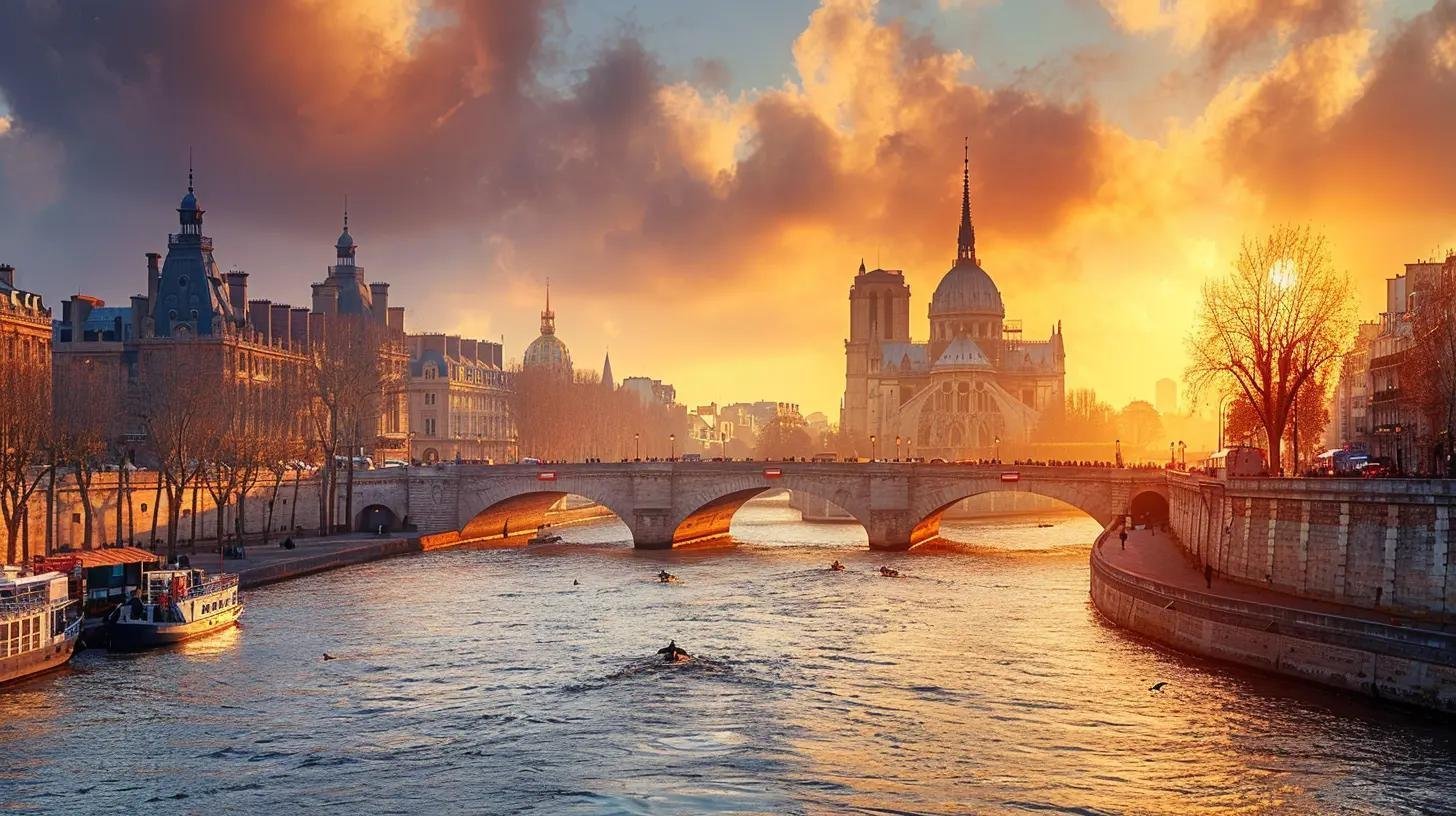
This is one of the central ideas behind my book, Learning Paris: Discoveries Along the Seine. Paris is not simply a backdrop for great art. Paris is the lesson itself. And the Musée d’Orsay is where that lesson arrives in full.
Renoir Was Painting the Street We Had Just Walked Down
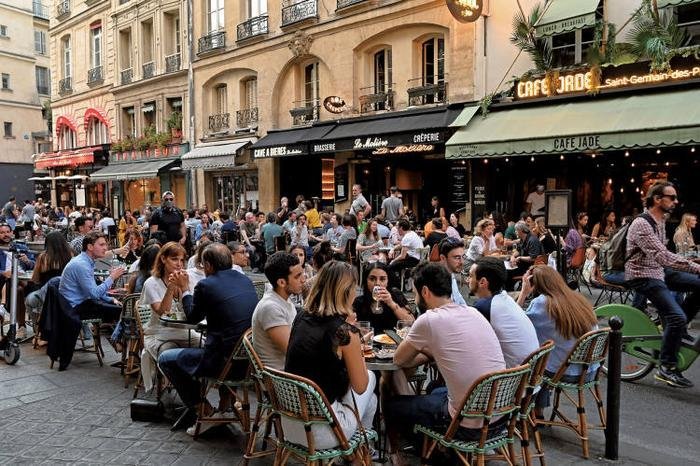
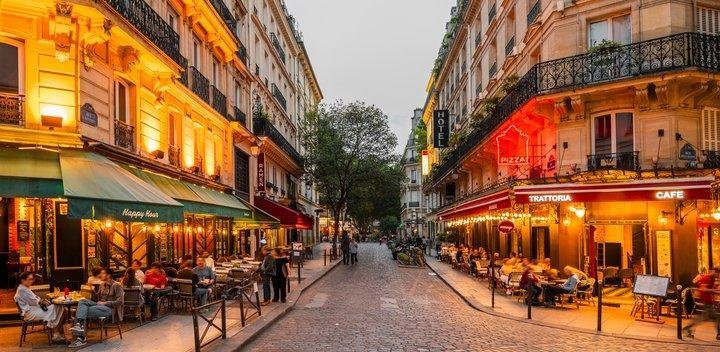
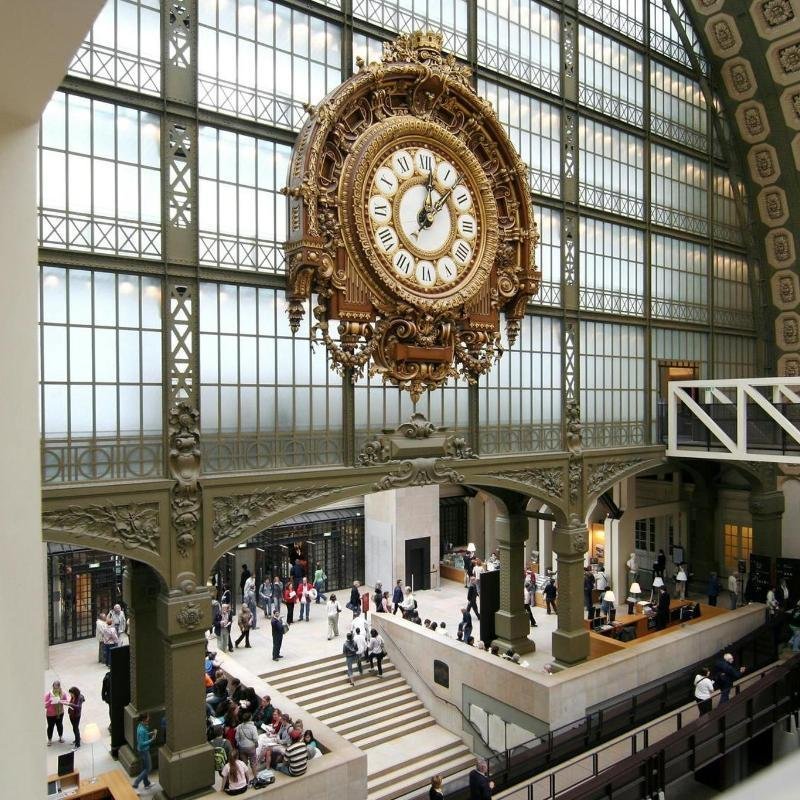
The first thing we encountered inside the Musée d'Orsay was an unexpected gift: a special exhibition titled A Joyful Modernity, devoted to Pierre-Auguste Renoir and spanning his most celebrated work from 1865 to 1885. I stood in the first gallery and felt something shift immediately.
His canvases were full of people gathered on café terraces, friends laughing along riverbanks, couples drifting through shaded promenades. They were scenes of ordinary Parisian life elevated into something luminous. And we'd just walked through all of it. Renoir had been painting the very streets we'd wandered for the past forty-five minutes. The revelation isn't something you can get from a textbook. It requires being there. It requires the walk first.
A Century of Artists, All Responding to the Same City
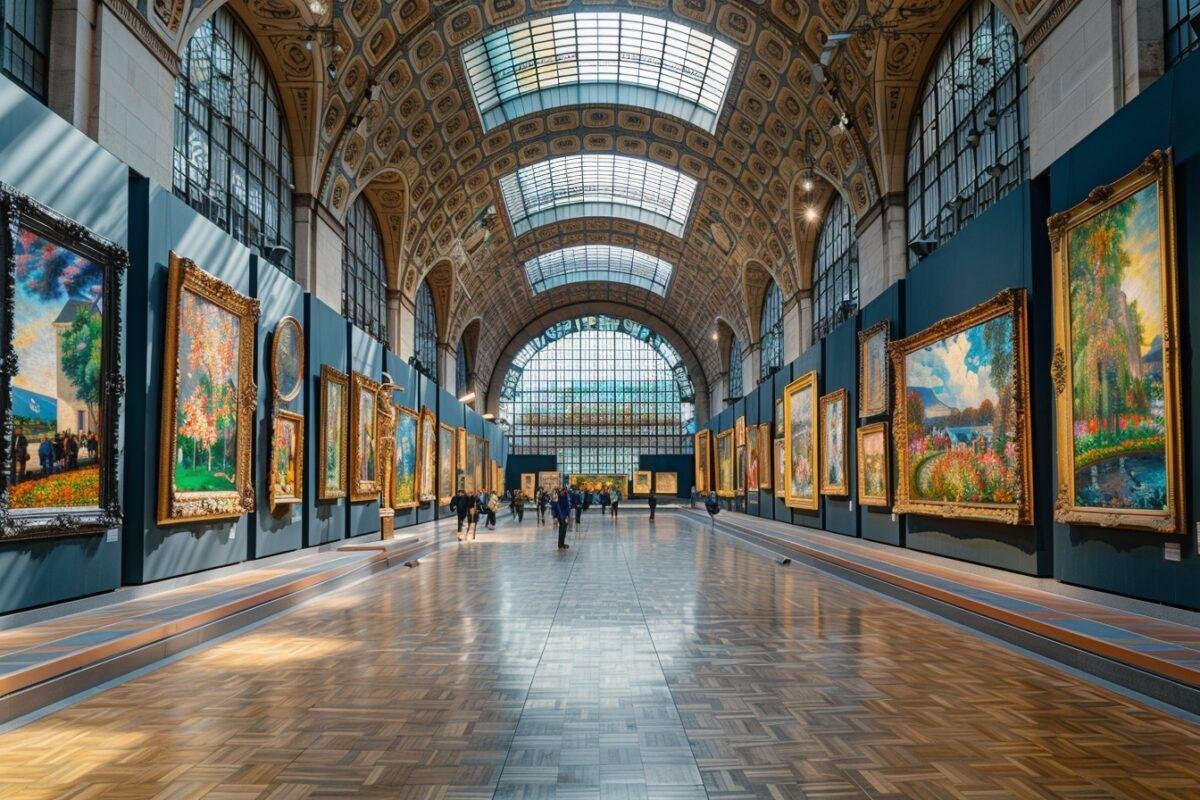
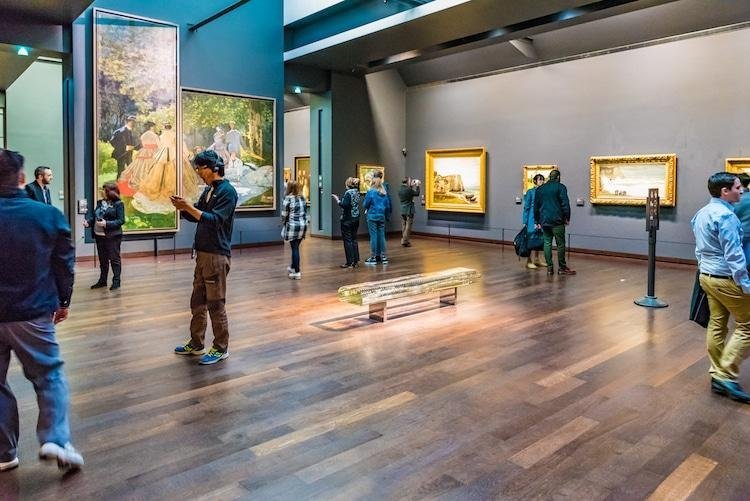
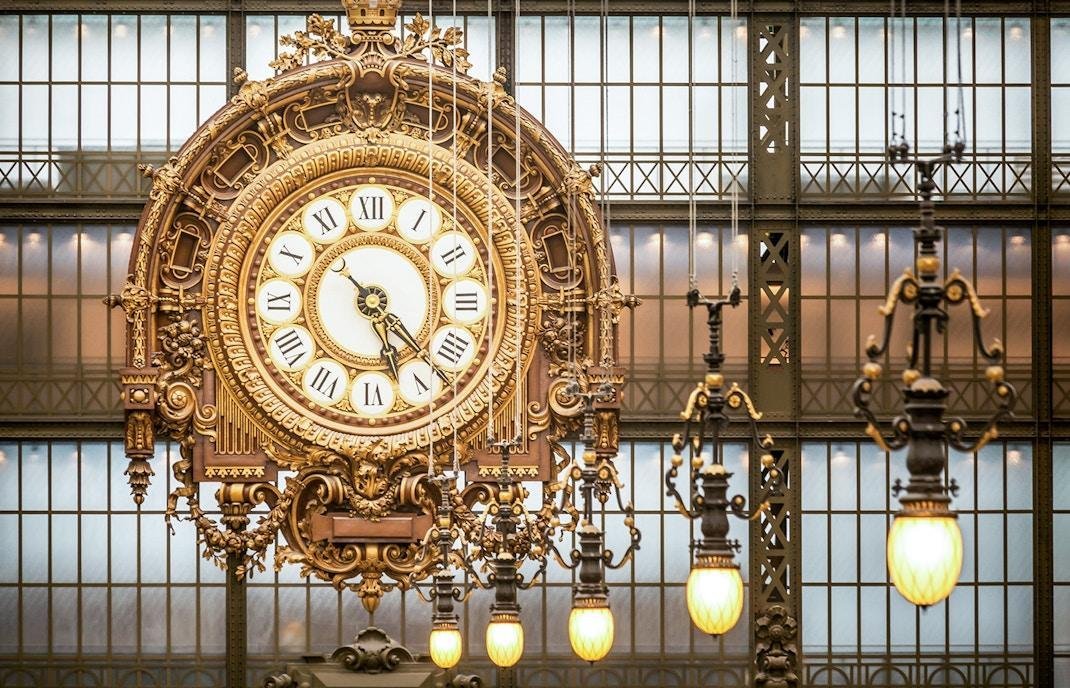
Beyond the Renoir exhibition, the Musée d'Orsay opened into a panorama of nineteenth-century art that felt less like a sequence of rooms and more like a century-long conversation. The Realists came first, with Millet's Gleaners bending over harvested fields and Courbet presenting rural life without embellishment or apology. Then the Impressionists arrived, and the galleries brightened. Monet dissolved form into light. Manet challenged the viewer with a gaze that refuses to look away. Degas caught his dancers in the candid, off-balance moments of a rehearsal rather than a performance.
On the fifth floor, van Gogh's brushstrokes crackled with stored energy, Cézanne rebuilt the visible world from its geometry outward, and Seurat introduced something almost scientific to the act of seeing, placing tiny dots of pure color that blend together only in the viewer's eye. It felt like standing at the point where art became a kind of inquiry into the nature of perception itself. By the time we descended back to the main floor, the Musée d'Orsay no longer felt like a museum. It felt like a single, unbroken argument about what it means to pay attention to the world around you.
The Painting That Closed the Day
Near the end of our visit, a painting by Gustave Caillebotte stopped us. The Boating Party shows a man on the Seine, slightly distant, absorbed entirely in his task. No sociability. No shared laughter. Just a man and the river and the quiet act of moving through the water.
Renoir had shown us the joy of being together. Caillebotte was showing us the dignity of solitude within that same modern world. The Seine, which had run like a thread through everything we'd seen and walked and felt over those four days, was still there in the painting. Still there when we stepped back out onto Rue de Lille and felt the afternoon light settling over the city.
"We walked into Paris that morning," I write near the end of this chapter, "we walked out of the Musée d'Orsay with Paris walking quietly inside us." That's not a line I wrote for effect. It's the most accurate description I could find for what actually happened. The Louvre had taught us to look more deeply at art. The Musée d'Orsay did something different. It taught us to recognize art within life itself. And from that afternoon forward, Paris no longer felt like a city we were exploring. It had become a way of paying attention.
For Travelers Who Want More Than a List of Paintings
If you've ever stood in a great museum and sensed you were somehow missing the deeper point, this book will help you find it. If you've ever walked through a foreign city and wanted a companion who could show you not just what to see but how to see it, this book is that companion. And if you've ever suspected that the greatest travel experiences begin not inside the museum but in the streets that lead you there, then I, Cas Wonsowicz, have written this Paris travel memoir specifically for you.
Learning Paris: Discoveries Along the Seine is available now on Amazon and Barnes & Noble. Let Cas walk you through the streets, the galleries, and the long afternoon light that changes everything.

Author of Learning Paris: Discoveries Along the Seine and the first volume of the Learning Series.